The Circular Dorking Blog
Stay Cool in Summer
4th August 2026

Summers are getting hotter but there are things cost effective things that can be done to help.
Zero Guildford have created this great document and who are we to re-invent the wheel!
It’s easier to stop heat entering your home than it is to cool it down again.
The long read:
Keep the heat out/limit heat from sunlight
- Close the windows
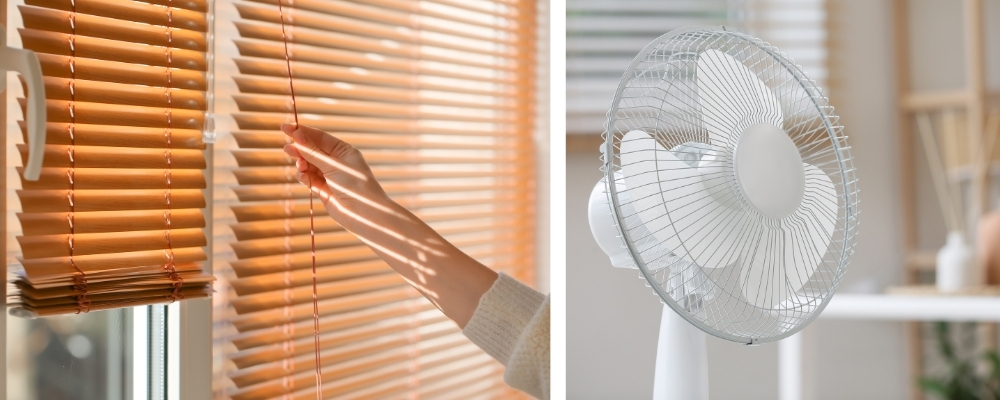
It may feel counter-intuitive but keeping windows closed during the day can keep some homes cooler, especially if you cannot get a cross breeze going with multiple open windows. - Close your blinds and curtains
Especially those on windows which face the south and west. Light coloured blinds and curtains made of a weightier fabric offer the best heat-blocking potential.- If you don’t have blinds or curtains, you can even cover windows with cardboard or thick paper to block out the direct sun which heats up the air inside your home.
- Or get hold of car windscreen sunblock shields which often have suckers attached – just move them as needed across your windows as the sun moves through the day.
- Window films and tinting
For rooms which get really hot in summer, you could consider investing in tinted window film which can be rolled out and stuck on windows. They block heat and bright sun but still let some natural light inside. These films are easy to install and come in lots of different shading options.- You could also use radiator foil to cover windows which we can provide free of charge. They can then be used behind radiators on external walls in the winter to reflect heat from radiators back into your home instead of paying to heat your walls.
- Painting yogurt on the outside of your windows can also help limit solar gain (read this article for more information on the benefit of “yogurt paint”)
- Window screens
These are mesh-like screens for your windows. They stop the sun and heat but don’t block your view from inside. Great for homes with lots of sun-facing windows. - Block the heat from outside
Shade windows and walls using external coverings- Awnings, solar sail, pergolas, large potted plants and garden parasols can be used to provide additional shading of windows, and green roofs can help insulate buildings too.
- Plant deciduous (not evergreen) trees that cast shade over your home in summer but still let the sun shine through in winter when they lose their leaves.
- Install external blinds or shutters: They help block sunlight before it enters the house. External bamboo blinds are a relatively cheap and temporary solution.
- Insulate your home
Again it seems counter-intuitive, but insulation in walls and roofs helps keep heat out in summer, as well as keeping heat in in winter. In summer a house that isn’t insulated will gain most of its heat through roofs and walls warming up. If you plug up leaks around windows and under doors you’ll also help keep the hot air out - Switch to LEDs
Incandescent and halogen light bulbs can produce a lot of heat so switch your lights to energy saving LEDs to help keep your home cool. It is also an energy saver with quick payback time. - Turn off “vampire” devices at the wall socket
TV, printer, PC, Alexa – these all (a) use power on standby and thus (b) can generate heat. Smart plugs (controlled by a phone app) can be used for hard to reach sockets and can also be scheduled to turn devices off automatically, say overnight.
N.B. They are vampire devices themselves but generally very energy efficient. - Avoid using ovens and stoves
Instead, use a microwave, slow cookers, air fryer or multicookers, which generate less heat. - Using rugs and carpets
During the summer, remove rugs and carpets as they can retain heat. Leave floors bare for better air circulation.
Let cool air flow in
- Open the windows
But only when it’s cooler outside than in. In the morning and evening, open windows to allow cooler air in and to circulate, especially if you can get a cross breeze going by opening windows on different sides of the house or flat. As soon as things heat up outside, and it’s hotter outside than inside, shut those windows.- If you only have windows on one side, open internal doors and use a fan to get the air moving.
- If you have sash windows – open the top and bottom a few inches which helps create larger currents of air, rather than just opening the top or bottom.
- Heat rises, so if you have a skylight or vents or windows in the loft, open them to let the warm air out. Otherwise, it can get trapped on the top floor.
- Don’t forget to check your security if you’re planning on sleeping with open windows or doors! You may want to invest in window locks which keep windows partially open or lockable screen doors if you need to keep doors open
- Use a portable fan
Fans are a relatively cheap and energy efficient way to keep air moving and help you feel cooler. The increased airflow over your skin helps your skin sweat more effectively, cooling you down. You can buy expensive ones, but that won’t necessarily help – it’s just about getting airflow over your skin and a basic one will do just fine.- Position your fan on the floor (where the air is cooler) and direct it upwards. Position it to blow air towards the opposite wall, ensuring no large objects obstruct the airflow.
- This will cause cooler air to bounce off the wall and circulate back into the room, mixing with the warm air and helping to lower the temperature. Don’t aim the fan directly at your body as this could lead to dehydration.
- If you want to cool down a room with a fan, closing off unused rooms during the day will keep the house cool in summer by focusing your cooling efforts where you’ll feel them the most.
- Watch out: switch the fan off at air temperatures of 35 degrees or more as the fan will likely heat you up rather than cool you down.
- You can also point a fan out of an open window in the evenings – this pushes the hot air out instead of just blowing it around the room.
- Hack’ a fan
A cleverly-positioned bowl of ice can help turn a fan into a cold mist machine. Place a shallow bowl or pan of ice in front of a table fan to generate a cool breeze.- Similarly, hanging damp towels in front of open windows or a fan will help cool the air through evaporation.
- Similarly, hanging damp towels in front of open windows or a fan will help cool the air through evaporation.
- Use your kitchen and bathroom extractor fans
They can help extract hot air out of your house.- Open your internal doors and leave your bathroom and kitchen extractor fans running for a while to create airflow and help remove warm air.
- Make sure to open windows and vents elsewhere so that fresh cooler air can come in to replace the warm air expelled by the extractor fan.
- Don’t forget to shut internal doors again once you switch the fan off so warm air doesn’t flow back into the cooled rooms!
- Indoor plants can have a cooling effect.
- Install solar attic fans
They run on solar energy and help improve ventilation in the house without additional energy costs. - Air conditioners
A relatively energy intensive solution (so it helps if you’re on a 100% renewables tariff!)- Portable air conditioning units are significantly more expensive to buy than most fans and use much more energy.
- Running a portable air conditioning unit all day would cost almost 20 times as much as running a typical freestanding fan. When you turn the unit off, unplug it at the wall to stop it using energy while in standby mode.
- Because air-con units use more energy than other cooling devices, running one also results in more CO2 emissions.Set the thermostat of your air conditioner to 24-27C, or as high as you feel comfortable with. Increasing the thermostat by just 1C in warm weather can reduce the running cost of your appliance by about 10%.
- Choose an air conditioner with a high energy star rating and do your research to choose the right size of air-conditioner for the space you need to cool. Eg. if you live in a small flat you might not need a huge air conditioning unit.
- If you do use an air conditioner, make sure to cool only the spaces you want to use. Close internal doors and make sure windows are closed so you don’t lose your precious cool air.
- Some air conditioners are ‘evaporative’ and require that you open some doors and windows to increase air flow to the system. Check the manufacturer’s instructions.
- Install MVHR with Summer Bypass
There are many good reasons to install whole-house MVHR (Mechanical Ventilation with Heat Recovery). It’s a mechanical ventilation system for your home. One of these good reasons is the summer bypass function. The system automatically pumps in cool outdoor air into the home even when the doors and windows are closed tight. And if you haven’t asked your builder to plan and install it when you are undergoing renovation works at home, it can get pricey. If you’ve got MVHR already, make sure you read themanual and get the best out of the summer bypass setting.
Slow down- change your pace- cool yourself down
- Choose the best time to leave the House, avoid being outside during the peak heat of the day.
- Stick to the shade
- Exercise only in the early morning or evening when it’s coolest
- Wear sunscreen – sunburn will make your skin feel hotterCarry an umbrella or parasol to protect you from the sun
- Keep hydrated
In hot weather, sweating cools you down. The fluid you lose through sweat needs replacing, so drink up. - Take a cooler shower
A tepid shower will directly cool your body and give you relief from the heat.- Just make sure that it’s not too cold as this can shut down blood flow to the skin, which can trap heat in the body.
- Water is a scarce resource, use a low-flow shower head.
- Dress in loose, lightweight clothing made of natural fibres…
like cotton and linen, which can help regulate temperature. Keeping clothing loose-fitting means that it’ll move if there’s a breeze, which can help to cool you down. - Use a cold flannel
Hot-headed? Wet a flannel with cool water and place it on your forehead. It’ll cool your skin by simulating sweating. - Use an icepack or chilled hot water bottle or cold cloth on your wrists and feet for an instant cold hit. Watch out for ice burns though, so wrap them in a towel to help protect the skin.
- If it’s really stuffy inside, consider a dehumidifier. It’ll pull the moisture out of the air and let your skin breathe better.
Sources
BBC, Heat wave tool kit, The Guardian, Energy Saving Trust, British Gas, Local Energy Advice Partnership, Ovo Energy, Gov.uk, The Guardian / Clothing, UK Health Security Agency