The Circular Dorking Blog
Eco Hub • Our River in Summer
8th June 2025
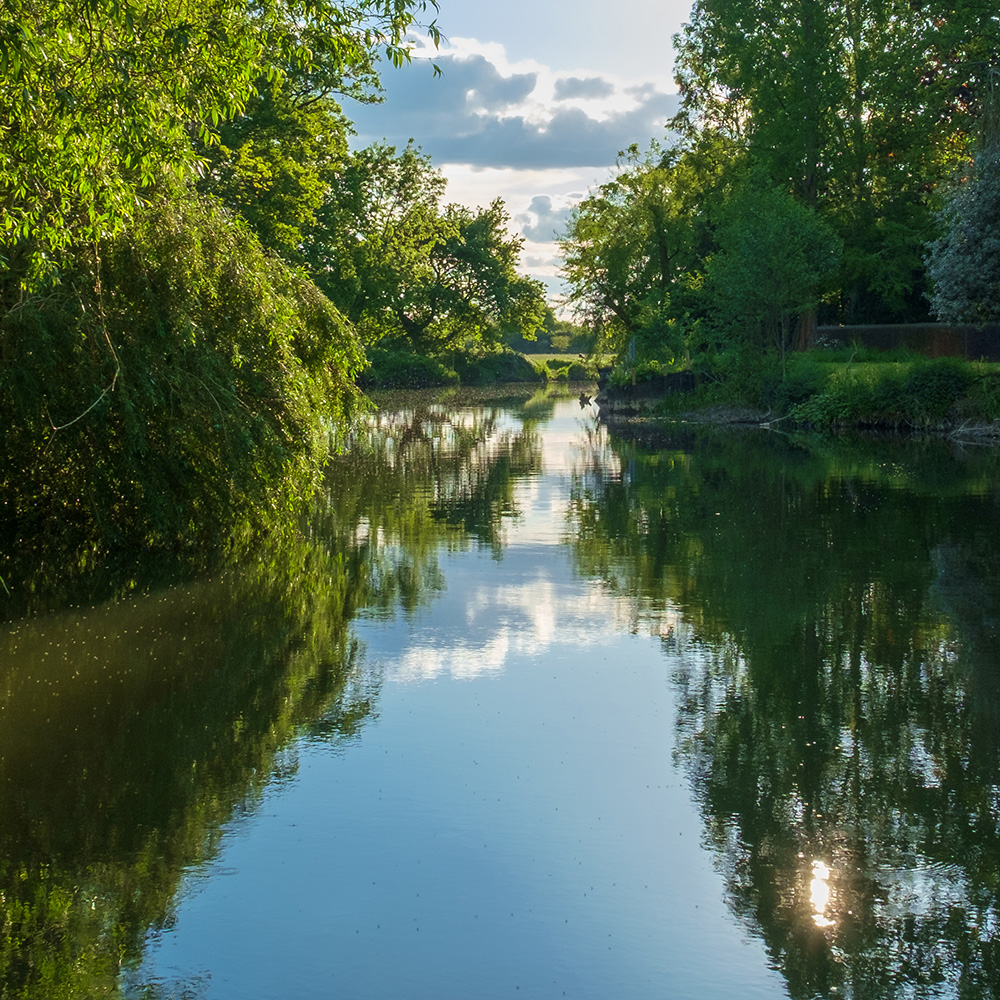
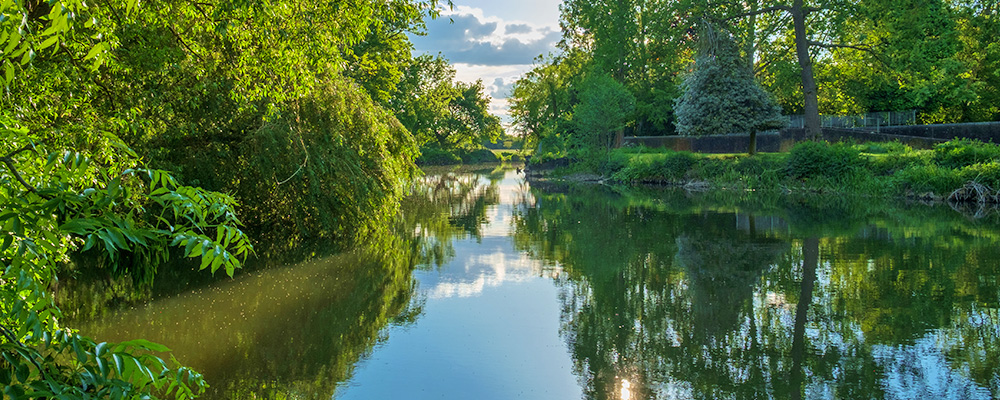
Blog from a presentation on ‘The River Mole in Summer’ by Nigel Bond, of Dorking Quaker Meeting and River Mole River Watch.
Describing rivers as ‘at the heart of local communities – particularly in the summer’, Nigel spoke of the additional pressures they are under at this time of year. The low water flow in summer means that phosphate levels are more concentrated. They are higher still in the vicinity of sewage treatment works. Holmwood’s Leigh Brook, for example, is the Mole’s most polluted tributary, with extremely high phosphate and ammonia levels, especially near the Holmwood Sewage Treatment Works. Nigel also noted that even treated sewage is not clean, containing bacteria such as E. coli, which can cause diarrhoea. Furthermore, while human sewage may have been treated before reaching the river, animal waste has not.
Nigel told us…
He mentioned the kingfisher, whose fledglings are at risk from mink, and spoke about ‘shifting baselines’, for instance the huge drop in insect numbers over the last decades. This is evident in River Mole tributaries such as the Rye Brook, which flows through Ashtead. Its invertebrate population has fallen significantly.
Wildlife is at risk from not just pollution, but also invasive species. Native crayfish, for example, have been killed off by the American Signal Crayfish, and Himalayan Balsam is running riot, at the expense of native plant species. It may look pretty, but it blooms annually and has displaced a broad range of flora that bloom at different times of the year. In addition, its shallow rootage means that it is unable to sufficiently secure riverbanks.
A healthy river, we heard, will have a healthy habitat, flow and water quality. How, then, can the River Mole recover? One of the first steps will be to eradicate mink, to prepare for the reintroduction of native species such as otters and water voles, Nigel explained, mentioning a similar initiative that has worked well in Norfolk. He also spoke of the work being done by volunteers, from uprooting Himalayan Balsam and reseeding riverbanks with native flora to clearing floating pennyworth, the latter undertaken by canoeists.
Above all, Nigel said, we should continue to engage with the River Mole. Failure to do so will make it all the more difficult for our river to recover.
Author
Tara Craig
Further information: